

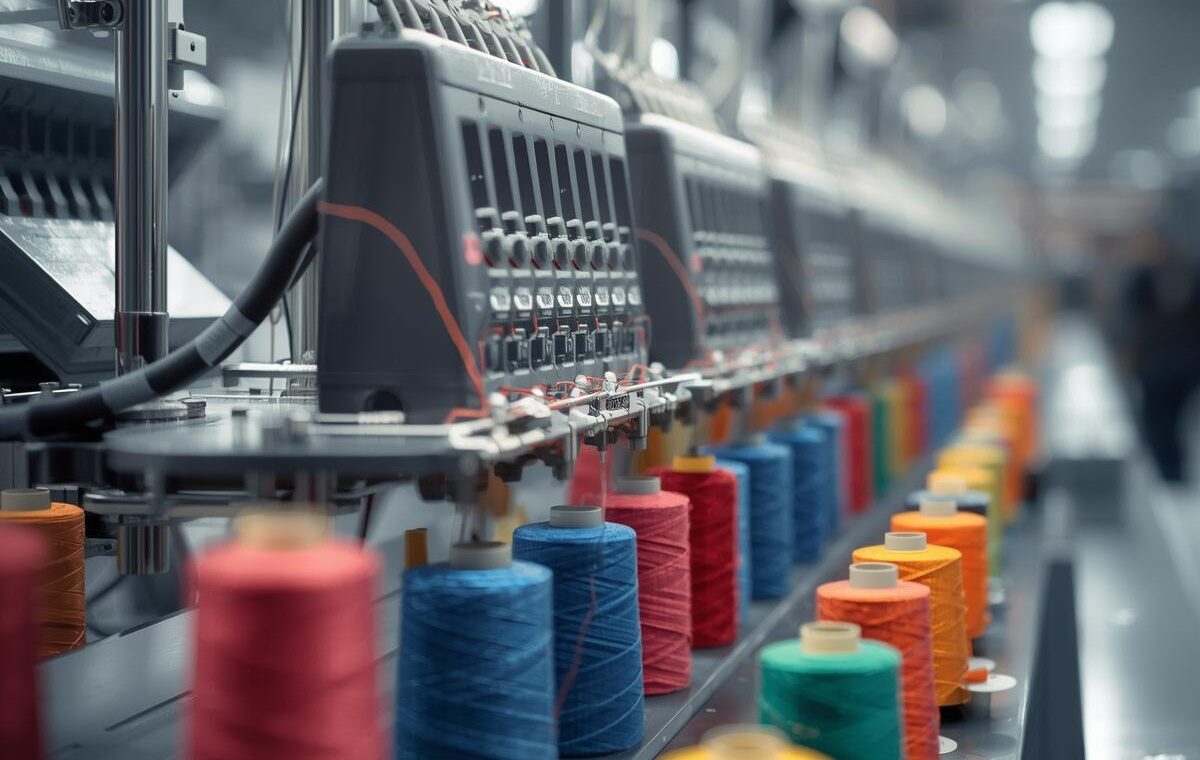
Embroidery thread processing plays an important role in producing high‑quality decorative textiles and garments. Proper chemical treatment and finishing of embroidery threads ensures smooth machine performance, improved strength, and enhanced visual appearance.
At Starco, we provide specialized chemical auxiliaries designed to support embroidery thread preparation, lubrication, and finishing processes. Our solutions help manufacturers achieve consistent thread performance during high‑speed embroidery operations while maintaining durability and color clarity.
Thread lubrication for smooth machine operation
Strength enhancement for high‑speed embroidery
Surface finishing for improved sheen and texture
Dust and friction reduction during stitching
Protection of thread structure during processing
COD reduction and treatment efficiency improvement
pH correction and neutralization support
Process water conditioning for better textile results
Quality Maintain Every Time
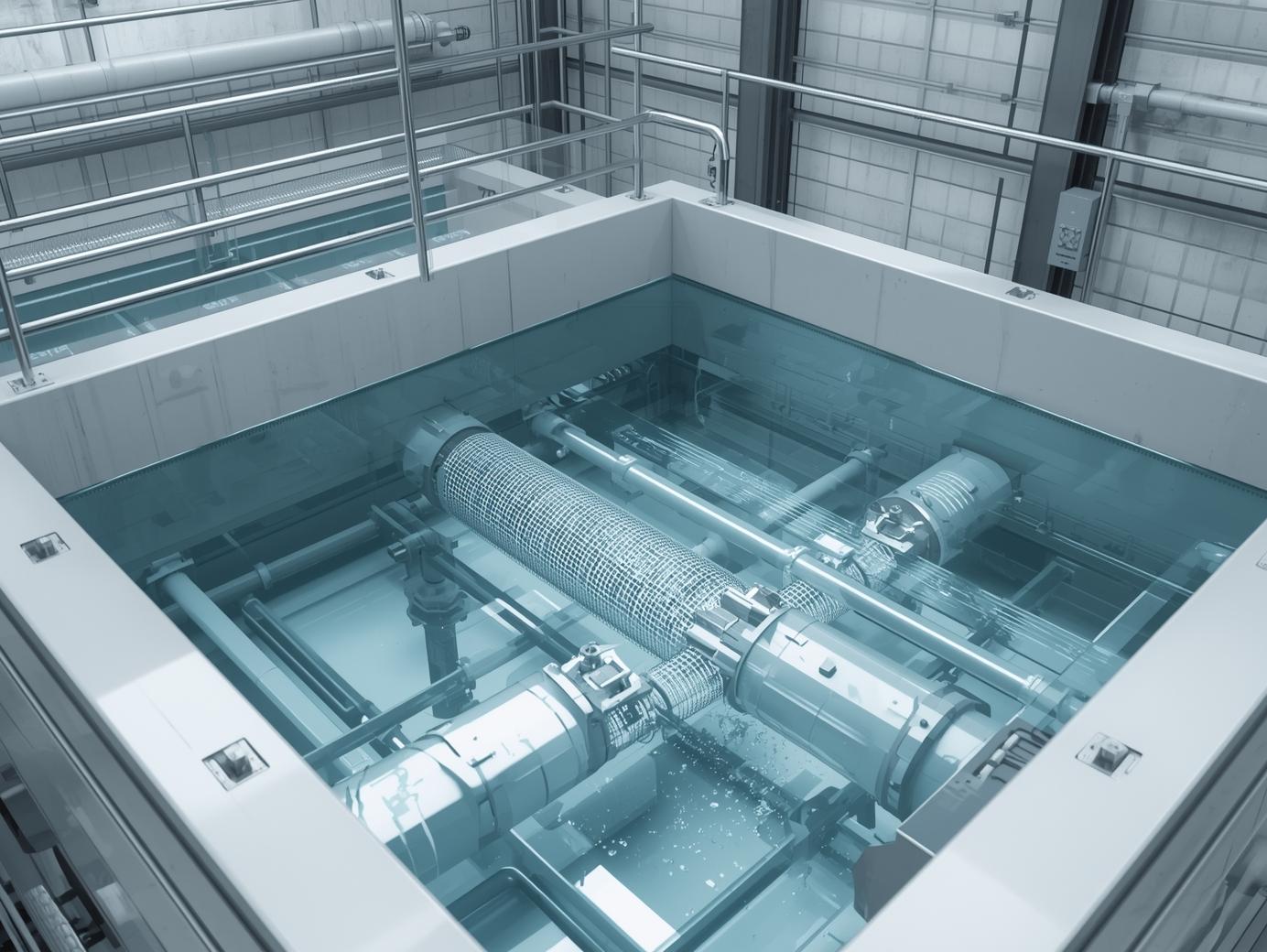
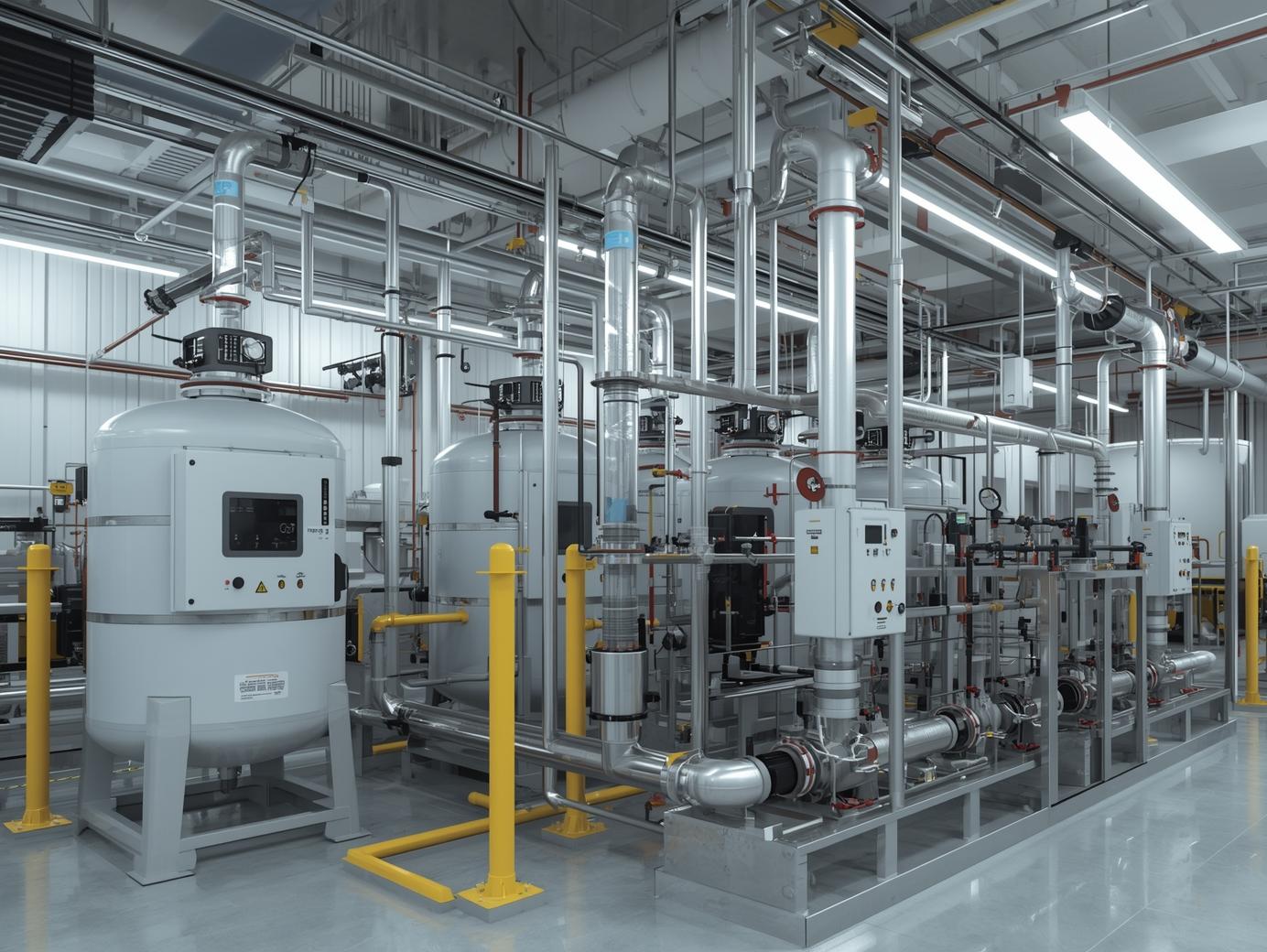
Embroidery thread processing chemicals must deliver consistent results to avoid thread breakage or machine interruptions.
Our solutions provide several benefits:
Improved thread smoothness and flexibility
Reduced friction during embroidery stitching
Enhanced durability and strength
Consistent thread performance in high‑speed machines
Better visual finish and shine
These advantages help embroidery manufacturers maintain efficient production and deliver high‑quality decorative textiles.
Understand your business
Each ETP system is different — based on effluent load, dye-house processes, water usage, and discharge requirements. Starco supports customers by understanding their plant challenges and recommending suitable chemicals, dosing guidance, and practical troubleshooting.
From trial stage to regular supply, we work with processors to improve ETP stability, reduce operational issues, and support long-term compliance.
What is embroidery thread processing?
Embroidery thread processing involves preparing and finishing threads to ensure smooth performance during embroidery stitching. This includes lubrication, strengthening, and surface finishing treatments.
Why is lubrication important for embroidery threads?
Lubrication reduces friction between the thread and the embroidery machine needle, preventing thread breakage and ensuring smooth stitching.
Can processing chemicals improve embroidery thread durability?
Yes. Specialized processing auxiliaries enhance thread strength and flexibility, allowing the threads to perform reliably during high‑speed embroidery operations.
What types of threads are used for embroidery processing?
Embroidery processing is commonly applied to cotton, polyester, rayon, and blended threads used in decorative textile applications.